
How to Begin Care at WMT
A counselor — not a phone tree — answers within sixty seconds, day or night. Below is what the next 48 hours typically look like from the moment you call.
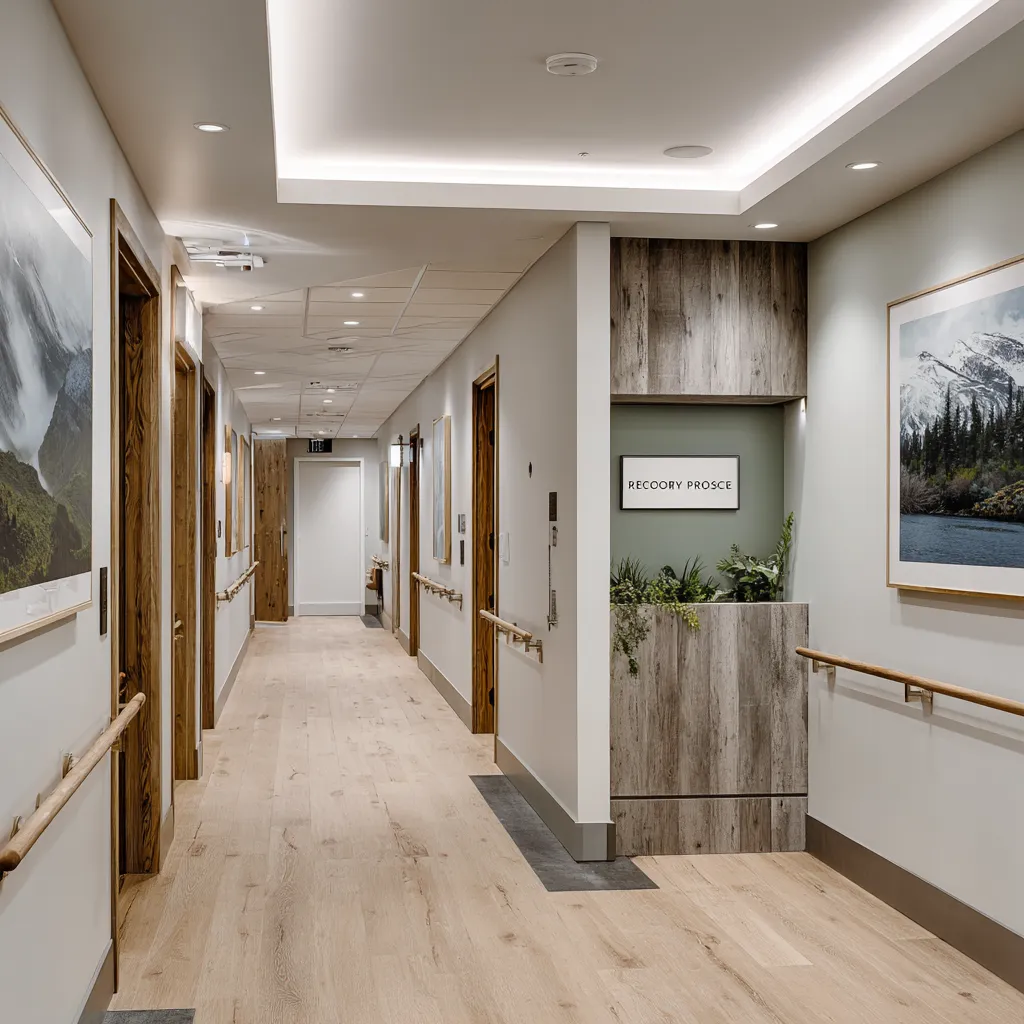
The Admissions Process
-
The Call
A licensed counselor answers in under sixty seconds. We listen first — what is happening, who is calling, how urgent the situation is. There is no script, no sales pitch, and no commitment to admit. Many calls last 15 to 20 minutes; some end with a referral to a different program if WMT is not the right fit, and that is the point.
-
Insurance Verification
While we are on the phone, our admissions team verifies your insurance benefits with the carrier in real time. For most San Mateo County and Bay Area plans, we have an answer within 2 to 4 hours. We accept Medi-Cal alongside private insurance, and we have a sliding-scale fund for residents who fall in between coverage and ability to pay.
-
Clinical Phone Assessment
A 20 to 30 minute assessment with one of our addiction counselors covers substance use history, medical concerns, prior treatment, family situation, and goals. This is the conversation that determines whether you are heading for detox, residential, PHP, or IOP — and it is the same data the clinical team will pick up on day one.
-
Same-Week Admission
Most admissions are scheduled within 48 to 72 hours of the first call. Same-day admission is possible when a bed is open and the medical situation calls for it. The admissions team coordinates transportation if you do not have a way to the campus; many Peninsula families arrange a tour the afternoon before admission so the building does not feel foreign on day one.
Insurance & Payment
We accept most major insurance plans and offer flexible payment options.
- Aetna
- Blue Cross Blue Shield
- Cigna
- Anthem
- Health Net
- Oscar Health
- First Health Network
- Medicare
- Medicaid (Medi-Cal)
Plan not listed? Call — we likely still work with your insurance, or can offer self-pay and sliding-scale options.
What to Bring on Day One
Our admissions counselor emails you a personalized checklist after your assessment. The basics:
- Photo ID and your insurance card (or Medi-Cal card)
- Current medications in original pharmacy bottles — including supplements
- Seven days of comfortable, layerable clothing (laundry on-site)
- Closed-toe shoes for hiking trails and the meditation studio
- Swimwear if you plan to use the therapy pool
- A journal, a few personal books, recovery readings if you have them
- Two or three meaningful photos for your nightstand
- Alcohol-free toiletries (we will swap anything that contains alcohol)
Please leave at home: laptops and tablets, valuables, jewelry, anything containing alcohol, outside medications not pre-cleared with our medical team, and any weapons.
Frequently Asked Questions
How long does treatment usually last?
Medical detox averages 3 to 7 days. Residential treatment is typically 30 to 90 days, with the median in our 2024 cohort sitting at 62 days. Partial hospitalization runs 2 to 4 weeks; intensive outpatient runs 8 to 12 weeks. According to NIDA's 2024 outcomes review, treatment episodes shorter than 90 days are associated with significantly higher relapse rates — which is why our default residential plan targets 60 to 90 days when clinically appropriate.
What does my insurance actually cover?
For the 2024 calendar year, 87% of WMT residents had their detox and residential stay covered in full by insurance, with median out-of-pocket cost under $1,400. Coverage varies dramatically by plan and tier. We verify your specific deductible, co-insurance, and out-of-pocket maximum within 2 to 4 hours of your first call — in plain English, before you commit to anything.
Can my family visit during treatment?
Yes. Scheduled weekend visits begin in week two of residential, with extended family visits on alternating Sundays in our family-picnic area. Family-systems therapy sessions are scheduled separately during the week; about 71% of WMT residents have at least one family-systems session in their first three weeks. Sessions can happen in person or via video for relatives in other regions.
Is medical detox actually safe?
Supervised medical detox is dramatically safer than attempting withdrawal alone. The 2024 SAMHSA report estimates that medically supervised detox reduces medical complications by 75 to 90 percent compared to unsupervised withdrawal. Our detox protocols were co-developed with Sequoia Hospital emergency medicine, and a physician or psychiatric nurse practitioner is on the unit 24 hours a day during your detox stay.
What if I have already tried treatment before?
About 52% of WMT admissions in 2024 had been through at least one prior treatment episode. The research is unambiguous: prior treatment is a predictor of better, not worse, outcomes on a subsequent attempt. Bring your previous treatment records if you have them — they shorten the assessment process and tell our clinical team what worked, what did not, and where to invest the time this round.
What about my job and my kids?
For working adults, our admissions team helps you think through FMLA paperwork, employer notification, and short-term financial planning before you arrive. PHP and IOP exist specifically for residents who cannot step away from work or family for 60 days. Our evening IOP cohort is 64% working professionals; the morning cohort is 41% parents with school-age children.
Are pets allowed?
Pets are not on campus, but documented service animals are welcomed in the family-visiting area. Many residents arrange short-term pet care with family or neighbors before admission; our admissions team can connect you with two San Mateo County volunteer networks that provide free temporary pet boarding for residents in treatment.
Make the Call You Have Been Putting Off
A licensed counselor answers within sixty seconds. No scripts, no obligation, no judgment.